Waterfalls in Makueni


Ilovoto Falls: Obscure Pleasant Surprise
The walking trail to explore Ilovoto Falls traditionally commences at Mukaa and terminates at the Kyale Catholic Church covering about 14 km. The hilly terrain, densely populated in the lower area, is steeped in history, too, with the premier African Inland Church finding its roots at Mukaa in 1903. Still and all, granted that temperatures can be quite sweltering when the African sun hits noon, it is best to explore the falls in the cooler morning hours. The path uphill, through numerous private farms, is exacting, and strenuous in parts, but nothong beyond the ability of the average walker and hiker. Meaning ‘drop’ as is the river, Ilovoto Falls, with a rock base at the top to rest and have a picnic, is nothing short of stunning, and best after the rains when it is rejuvenated. With no rains, the waterfall shows the clear bedrock – with huge boulders and slabs around it, and a diminished falls.

Touring waterfalls in Kenya offers a refreshing and adventurous experience, showcasing the country’s stunning natural beauty. Each waterfall – many still little known – provides a unique and memorable experience, whether you’re seeking adventure, relaxation, or simply the opportunity to connect with nature
Index of Waterfalls Around Kenya


Baringo County - Simot Falls, Kikojo Falls, Kapedo Falls, Bomet County - Tenwek Falls, Iria Maina Falls, Bungoma County - Teremi Falls, Malakisi Falls, Nabuyole Webuye Falls, Mwikhupo Falls, Elgeyo Marakwet County - Kessup Falls, Torok Falls, Embu County - Iveche Falls, Karurina Falls, Ndunda Falls, Nthenge Njeru Falls, Nthungu Falls, Paradiso Falls, Isiolo County - Gotu (Chanler's) Falls, Isiolo Falls, Kakamega County - The Isiukhu Falls, Sidikho Falls, Kericho County - Londiani Ruskebe Falls, The Chereres Falls, Kiptui Falls, Kiambu County - Ruaka Falls, Tigoni Hill Falls, Ruai Falls, Mashinani Falls, Karweti Falls, Kirinyaga County - Ruamuthambi Falls, Gatitika Falls, Thiba Falls, Kathiri Falls, The Castle Falls, Kang'ere Falls, Karumandi Falls, Kisii County - Nyamarambe Falls, Kwale County - Sheldrick Falls, Machakos County - Fourteen Falls, Makueni County - Kyanzizi Falls, Ilovoto Falls, Ka Kindui Falls, Meru County - Vivienne Falls, Nithi Gate Falls, Irine (Devil’s Bridge) Falls, Kathita Falls, Ngare-Ndare Falls, Muranga County - Kimakia Falls, Kanunga Falls, Maragua Falls, Manguyo Falls, Nakuru County - Cedar, Makalia Falls, Nandi County - Ngabunat Falls, Chepkiit Falls, Chemase Falls, Tindinyo Falls, Diguna Falls, Nyamira County - Nyamira Falls, Nyabomite Falls, Nyakwana Falls, Nyandarua County - Ragia Falls, Wanjohi Falls, Kenungu Falls, Ndaragwa Falls, The Thompson Falls, Nyeri County - Riakiania Falls, Kahuru Falls, Ragati Falls, Karuru Falls, Chania Falls, Gura Falls, Zaina Falls, Taita Taveta County - Kilangarenyi Falls, Dembwa Falls, The Lugard's Falls, Tana River County - Adamson's Falls, Tharaka Nithi County - Kibuuka Falls, Ikwa Falls, Hidden Falls, Ura Falls, Uasin Gishu County - Koromosho Falls, Kesses Falls, Two Rivers Falls, Kapsurur Falls, West Pokot County - Tartar Falls, Loumba Falls, Wish Yilat

outlook
Flanked by the A109 Nairobi-Mombasa Road on its eastern flank, Makueni County is part of the Lower Eastern Kenya region. Major towns like Mtito Andei and Emali serve as trade hubs along the A109, the former being the traditional halfway stop and rest. Other towns enroute are; Sultan Hamud and Kibwezi. Home to Akamba people, it is so commonly referred to Ukambani – alongside Kitui and Machakos.

You Are Here: Ilovoto Waterfalls
Where to Next?
Explore Destinations Nearby Ilovoto Waterfalls
A Guide to Makueni County


A Summa Digest of Makueni

About Makueni Way Back When

50 Destinations in Makueni County, arranged as one would visit these - north, east, west then south - with aid of narratives, images, strip maps and distance chart:

Mbooni Hills, Konza Technopolis, Kilima Kiu Manor, Mulima Dam, ACK Resort Salama, Makongo View Point, Katithini, Wote Green Public Park, Thwake Dam, R. Kaiti Bridge, Kampi ya Mawe, Kusyombunguo Hotel, Nzueni Hill, Nzaui Heritage Trail, Nzaui Rock, Mii Project, Makueni Cultural Center, AIC Kalamba, Kalamba Fruit Factory, Virgin Mary Rock, Emali Hills, Emali Trig, Ka Kindui Falls, Dare Devil's Rock, Kyanzizi Falls, Ilovoto Falls, Kyale Catholic Church, The Kenze Gorges, Kilungu Hills, Hunter's Lodge, Makindu Handicrafts, Makindu Sikh Temple, Mbiu Nzau Hills, Kambua Resort, Kivungoni Springs, Kibwezi Forest, Umani Springs, Chyulu Hills National Park, Kisula Caves, Tsavo West National Park, Tsavo East National Park, Yatta Plateau, Ngai Ndethya National Reserve, Kilalinda Conservancy, Tsavo Safari Camp, P. Cameron Camp, Patterson's Safari Camp

Know More About Makueni County: Its Geography, Land-Use, Highlights, Population, Roads - with the aid of strip maps, Airports, Climate & National Monuments

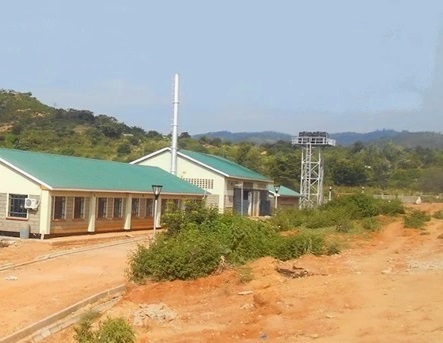

Makueni County’s terrain is generally low-lying, falling to 600 ms near Tsavo at the southern region. That is to also say, land rises from low-lying terrain of about 600 meters above sea level in the southern Tsavo area to higher elevations in the hills. Prominent ranges include the volcanic Chyulu Hills in the south-west, Mbooni Hills and Kilungu Hills.
Climate about Makueni varies based on altitude – with the north being cooler – 20oC to 24oC, while the south, more so during the dryer months, between May and October, experience generous heat.
