Secluded Getaways in Makueni


Patterson’s Safari Camp: Steeped in History
In a minimum time of a full week-end you will be able to see many of the larger wild animals – noted of the high-minded Big 5 – and one or two interesting places within the Tsavo National Parks, East and West, which cover almost 20,800 km2 of wildest Kenya. But to see all that Tsavos have to offer, you would need months, if not years, to discover their wonders. There are plenty of circuits, well over 2000 kms of murram surfaced roads, for game viewing over both parks with lunch and layovers at one of many famous lodges easy without too much advance planning.
As the road system improves, more circuits become defined. Among the popular safari camps at the southern area of Tsavo East National Park, in an area seeped in history and teeming with wildlife. is the Patterson’s Safari Camp, tucked away on the banks of Galana River with mile upon mile of proto-wilderness. The camp has 20 safari-style tents (5 luxury and 15 family) all en-suite with hot running water, a small veranda with seats and a coffee table. Visitors can opt for a tent with a great big four poster bed or two single beds depending on lodging needs or preference.
The family camps can accommodate up to a maximum of 8, comfortably. There is a lounge and dining area linked to the rooms with paved walk ways. Its name is a tribute to John Henry Patterson, one of the great eccentrics in the building of the infamous Uganda Railway – given a hero’s acclaim for slaying the man-eaters of Tsavo. His acclaimed self-same book, The Man-Eaters of Tsavo (1907), detailing his experiences while building a railway bridge over Tsavo River, and inspiring three films – Bwana Devil (1952), Killers of Kilimanjaro (1959) and The Ghost and the Darkness (1996) – is an excellent read while staying here. It instantly connects you to a fascinating distant past, in a landscape that has changed little since then.
The wild bush and scrub country seen today at the Tsavos, covered in the dryer season with red dust, is probably much the same as it was in 1898 when Colonel Patterson was posted here. He came to build the Tsavo Bridge and take over the construction of that section of the Uganda railway. The place takes its name from the permanent swift-flowing Tsavo River, which the Mombasa bound traveller can sight from the road and train as a belt of green winding through the hot, dusty landscape. According to Colonel Patterson’s reports, there was always a mass of game in the area, and even today when you travel by train or road from Nairobi to Mombasa, it is not at all rare to see herds of elephants eating in the bush, giraffe, zebra and buck roaming, quite unconcerned by the many speeding cars and train.
It was at Tsavo Station, a walking distance from Patterson’s Camp, where rail work was held up because two man-eating lions dragged men from their tents at night, and the terrified workers lived in fear of their lives with the echo of the nightly screams of their less fortunate companions. Some say the Rinderpest pandemic was the primary reason why these two lions became man-eaters. Whatever the origin, so many victims were carried off, that work was brought to a stand still and workers were convinced that the angry spirits of two local chiefs had returned in the form of man-eating lions to stop the railway passing through their country.
After nine months of terror and many attempts by other people, Patterson killed both lions. During the 1950’s it was often said that Tsavo might become the only area where game would be conserved by law, as it was thought that no more National Parks would be created. Although this proved to be wrong, Tsavo is, and always has been, a paradise for big game, and the numbers of small game have markedly grown during the past three decades. Considered one of the greatest man-eating sagas of all time, Paterson gave a firsthand account of the legends.

Around Kenya, there is a collection of rare experiences, in middle-budget secluded hideaways, offering guests intimate encounters with parts of Kenya that rarely get under the limelight. Each getaway, secluded and away from civilization, is rooted in its local community and dedicated to showcasing their cultures.
Index of Secluded Getaways Around Kenya


Baringo County - Samatian Island Lodge, Elgeyo Marakwet County - Samich Resort, Kerio River Lodge, Embu County - Masinga Dam Resort, Homa Bay County - Kisindi Lodge & Spa, Kakamega County - Busambuli Ecolodge, Lamanis Haven, Lamu County - Kizingoni Beach House, Kilifi County - Neem Tree House, Takaungu House, Distant Relatives Ecolodge, Rock and Sea Bubble Ecolodge, Watamu Treehouse, Kite Cottage, Mida Creek Nature Camp, Migori County - Lobby Resort, Kirinyaga County - Castle Forest Lodge, Ndongoro Log Cabin, The Kichachu, Kwale County - Kutazama Lodge, Mandhari Lodge, Betty's Camp Shimoni, Blue Monkey Beach Cottages, Munje Beach Villas, Laikipia County - Mukima Manor, Olepangi Farm, Makueni County - Kilima Kiu Manor, Meru County - Rutundu Log Cabins, Elsa's Kopje, Muranga County - Kimakia Tea Lodge, Muchiri's Resort, Mathioya River Cottages, Nyeri County - Sandai Farm, Nairobi County - Edaala Comfort, Cottage Residence, Nyandarua County - Samawati Lakeside Cottages, Samburu County - Nashipa Eco Camp, Lion's Cave Camp, Camp Ndotto Ngurunit, Desert Rose Lodge, Taita Taveta County - Grogan's Castle, Lake Jipe Eco Lodge, Lions Bluff Lodge, Tana River County - Delta Dunes Lodge, Tharaka Nithi County - Anabas Mount Kenya Lodge, Trans Nzoia County - Cranes Haven, Mount Elgon Lodge, West Pokot County - Barnley's Guest House, Mount Mtelo View Lodge

outlook
Flanked by the A109 Nairobi-Mombasa Road on its eastern flank, Makueni County is part of the Lower Eastern Kenya region. Major towns like Mtito Andei and Emali serve as trade hubs along the A109, the former being the traditional halfway stop and rest. Other towns enroute are; Sultan Hamud and Kibwezi. Home to Akamba people, it is so commonly referred to Ukambani – alongside Kitui and Machakos.

You Are Here: Patterson’s Safari Camp
Where to Next?
Explore Destinations Nearby Patterson’s Safari Camp
A Guide to Makueni County


A Summa Digest of Makueni

About Makueni Way Back When

50 Destinations in Makueni County, arranged as one would visit these - north, east, west then south - with aid of narratives, images, strip maps and distance chart:

Mbooni Hills, Konza Technopolis, Kilima Kiu Manor, Mulima Dam, ACK Resort Salama, Makongo View Point, Katithini, Wote Green Public Park, Thwake Dam, R. Kaiti Bridge, Kampi ya Mawe, Kusyombunguo Hotel, Nzueni Hill, Nzaui Heritage Trail, Nzaui Rock, Mii Project, Makueni Cultural Center, AIC Kalamba, Kalamba Fruit Factory, Virgin Mary Rock, Emali Hills, Emali Trig, Ka Kindui Falls, Dare Devil's Rock, Kyanzizi Falls, Ilovoto Falls, Kyale Catholic Church, The Kenze Gorges, Kilungu Hills, Hunter's Lodge, Makindu Handicrafts, Makindu Sikh Temple, Mbiu Nzau Hills, Kambua Resort, Kivungoni Springs, Kibwezi Forest, Umani Springs, Chyulu Hills National Park, Kisula Caves, Tsavo West National Park, Tsavo East National Park, Yatta Plateau, Ngai Ndethya National Reserve, Kilalinda Conservancy, Tsavo Safari Camp, P. Cameron Camp, Patterson's Safari Camp

Know More About Makueni County: Its Geography, Land-Use, Highlights, Population, Roads - with the aid of strip maps, Airports, Climate & National Monuments

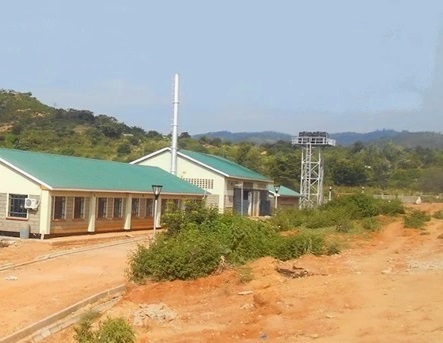

Makueni County’s terrain is generally low-lying, falling to 600 ms near Tsavo at the southern region. That is to also say, land rises from low-lying terrain of about 600 meters above sea level in the southern Tsavo area to higher elevations in the hills. Prominent ranges include the volcanic Chyulu Hills in the south-west, Mbooni Hills and Kilungu Hills.
Climate about Makueni varies based on altitude – with the north being cooler – 20oC to 24oC, while the south, more so during the dryer months, between May and October, experience generous heat.
